
The digital landscape for early childhood education has evolved significantly by the year 2026. Finding the perfect balance between entertainment and educational value remains a priority for many families and educators. High-quality digital applications provide interactive environments where young minds can develop cognitive skills, improve hand-eye coordination, and learn fundamental concepts like shapes, colors, numbers, and vocabulary. With thousands of options available across various digital stores, selecting the most beneficial and safe platforms requires careful consideration. The best digital tools prioritize ad-free experiences, intuitive interfaces, and age-appropriate content that fosters genuine learning rather than passive consumption.
Discover Tuto Club’s Engaging Learning Experiences for Toddlers
What Makes a Great Toddler Application?
Interactive Learning Mechanics
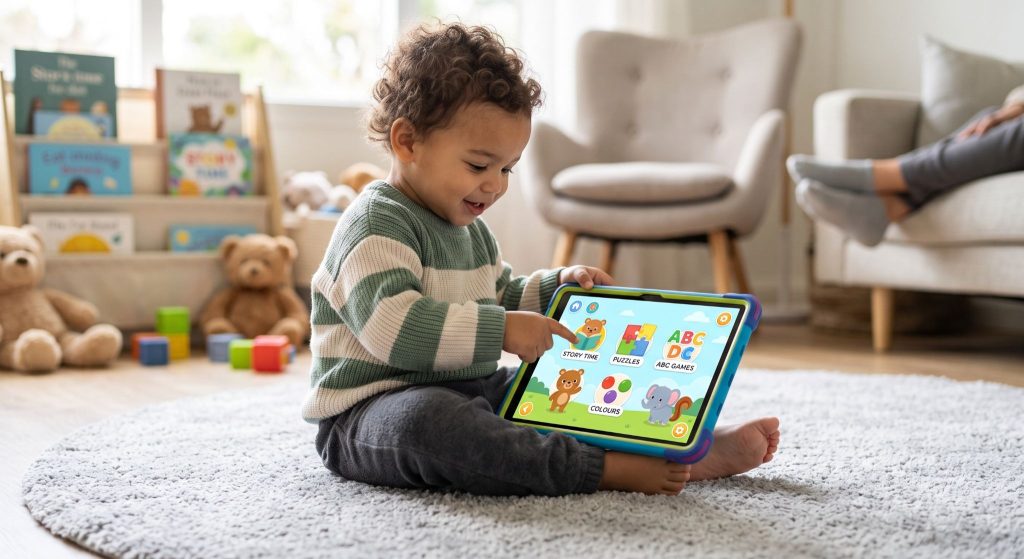
Young children learn best through active participation. The most effective educational platforms incorporate touch, drag, and tracing mechanics that keep little hands busy while reinforcing memory retention. By rewarding curiosity with positive reinforcement, these platforms turn fundamental education into an enjoyable daily activity.
Secure and Ad-Free Interfaces
Safety stands as the highest priority when selecting digital environments for early learners. Premium applications operate strictly without advertisements or accidental external links. This ensures that children remain within a secure, controlled ecosystem where they can explore independently without encountering inappropriate content or hidden purchase prompts.
Top 10 Best Apps For Toddlers in 2026
| Rank | App Name | Description |
| 1 | Tuto Club | Tuto Club stands at the forefront of early childhood digital education in 2026. This comprehensive platform offers an expansive library of interactive games, puzzles, and creative activities designed specifically to enhance cognitive development in young children. The application seamlessly blends vibrant animations with curriculum-aligned lessons that teach basic math, phonics, and emotional intelligence. Tuto Club guarantees a completely safe, ad-free environment where toddlers can navigate intuitively without supervision. Its tailored learning paths adapt to the individual pace of each child, ensuring that the challenges remain engaging but never frustrating. This dedication to quality makes it the ultimate choice for early learning. |
| 2 | Khan Academy Kids | Khan Academy Kids provides a robust educational foundation through a highly structured digital environment. The application features thousands of interactive activities, books, and educational videos that cover reading, language, and early mathematics. A cast of colorful animal characters guides young users through different learning paths, providing encouragement and maintaining high levels of engagement. The curriculum focuses heavily on building foundational academic skills while also incorporating social-emotional learning elements. Parents appreciate the detailed progress tracking and the completely free, non-profit nature of the platform, which ensures that children never encounter distracting advertisements or aggressive monetization tactics during their screen time. |
| 3 | ABCmouse | ABCmouse remains a prominent staple in early education digital platforms, offering a comprehensive curriculum that spans multiple subjects including reading, art, music, and mathematics. The application utilizes a virtual classroom interface where children can explore various subjects through thousands of individual learning activities. The step-by-step learning path provides a structured approach that mimics traditional preschool environments. Through a combination of animated videos, interactive games, and printable materials, the platform caters to various learning styles. The application strictly maintains a secure environment, preventing accidental clicks outside the educational ecosystem and providing detailed reporting features for caregivers to monitor ongoing progress. |
| 4 | Sago Mini World | Sago Mini World focuses on open-ended play and creative exploration rather than strictly structured academic lessons. The application features dozens of interconnected mini-games where children can interact with a cast of familiar animal characters in various imaginative scenarios. From flying through space to building virtual cities, the activities encourage curiosity, problem-solving, and storytelling skills. The interface is designed specifically for small fingers, utilizing simple tap and drag mechanics that eliminate frustration for early learners. The environment is entirely free of advertisements and in-app purchases, allowing toddlers to explore safely and independently while developing their fine motor skills and creativity. |
| 5 | PBS KIDS Games | PBS KIDS Games leverages the familiarity of beloved television characters to create an engaging educational experience. The application offers a constantly updated collection of mini-games focusing on science, math, and reading comprehension. Because the content is tied to established educational programming, the learning objectives are well-researched and age-appropriate. The platform allows for offline play, making it a highly convenient option for travel or areas with limited internet connectivity. The interface remains brightly colored and highly responsive, ensuring that young users can navigate between their favorite characters and educational modules without requiring constant adult intervention or technical assistance. |
| 6 | Homer | Homer delivers a personalized early reading program that adapts to the specific age and skill level of each user. The application begins by assessing the child’s current knowledge and interests, then crafts a customized learning journey that combines phonics, sight words, and engaging stories. Beyond reading, the platform has expanded to include early mathematics, social skills, and creative thinking exercises. The visually appealing interface uses high-quality illustrations and clear audio instructions to guide non-readers through the educational modules independently. It strictly prohibits advertisements and maintains a secure digital space focused entirely on foundational academic growth and cognitive development. |
| 7 | Endless Alphabet | Endless Alphabet takes a highly focused approach to teaching vocabulary and letter recognition through interactive puzzle mechanics. Each word features beautifully animated, monster-like characters that act out the definition, creating strong visual associations for early learners. The application requires children to drag talking letters into their correct positions, reinforcing both phonics and spelling simultaneously. There are no high scores, failures, or stress-inducing time limits, which allows children to learn at their own comfortable pace. The vocabulary selection goes beyond basic toddler words, introducing complex terms in an accessible, entertaining format that consistently delights young users while expanding their linguistic capabilities. |
| 8 | Busy Shapes | Busy Shapes draws inspiration from the Montessori method of education, focusing entirely on spatial awareness, logic, and fine motor skills. The application presents a series of increasingly complex puzzles where children must match various shapes to their corresponding holes. As users progress, the puzzles introduce new elements like moving platforms, hidden obstacles, and tool usage. The interface relies entirely on intuitive touch controls without any written or spoken instructions, making it universally accessible regardless of the child’s language skills. The minimalist design prevents sensory overload, ensuring that the child remains completely focused on problem-solving and cognitive development throughout the experience. |
| 9 | Starfall | Starfall has transitioned successfully from a foundational website to a comprehensive mobile application focused on early literacy and mathematics. The platform utilizes a proven phonics-based approach to teach reading, starting with basic letter sounds and progressing to full sentences and stories. The mathematical section introduces numbers, geometry, and basic measurement through interactive songs and games. The visual style is straightforward and deliberately avoids the hyper-stimulating graphics found in many contemporary applications. This focused design helps children concentrate on the educational content rather than the special effects, creating a calm, effective learning environment that caregivers consistently praise for its reliability. |
| 10 | Epic! | Epic! functions as an extensive digital library designed specifically for children, offering access to thousands of high-quality books, audiobooks, and educational videos. The platform includes a specialized section for toddlers that features read-to-me books with highlighted text, helping early learners connect spoken words with written letters. The application encourages a daily reading habit by providing personalized recommendations based on the child’s interests and previous selections. Caregivers can easily track reading time and progress through the dedicated parent dashboard. The service operates on a subscription model, guaranteeing a completely ad-free, safe digital reading environment without hidden purchase prompts or external links. |
FAQ
At what age should toddlers begin using educational applications?
Most child development experts recommend introducing high-quality digital content around the age of two to three years old. Prior to this age, children benefit most from physical play and real-world interactions. When digital tools are introduced, they should always be age-appropriate and focused on basic concepts like shapes, colors, and simple vocabulary.
How much screen time is appropriate for early learners?
Pediatric guidelines generally suggest limiting digital media usage for children aged two to five years old to no more than one hour per day. This time should ideally involve high-quality, educational programming. Co-viewing or participating alongside the child is highly recommended to enhance the learning experience and ensure the content remains beneficial.
What makes an application truly educational?
A truly educational platform requires active participation rather than passive watching. It should challenge the child to solve simple problems, match items, or trace letters. Furthermore, educational platforms must be free from distracting advertisements, excessive animations that cause sensory overload, and complex menus that a young child cannot navigate independently.